Lymphedema is one of those conditions that looks simple from the outside and feels anything but simple when you are living with it. Swelling shows up in a limb or along the trunk after lymph nodes are removed, irradiated, or overwhelmed, yet the day-to-day reality touches everything from clothing choices to infection risk. In the context of cancer care, the stakes rise. People need clear guidance, practical tools, and a coordinated plan that honors both the biology and the human experience. That is where complementary oncology and integrative oncology care can make a decisive difference.
I have spent a good part of my clinical life working at the intersection of oncology rehabilitation and supportive care. The patients who fare best are not those who simply grit their teeth and push through. They are the ones who get an early, tailored plan that pairs conventional interventions with thoughtful, evidence-informed complementary strategies, delivered by a team that communicates well. This is the integrative oncology approach in practice: conventional cancer treatment at the center, surrounded by targeted therapies that reduce side effects, lower risk, and improve quality of life.
What lymphedema is, and why it matters in cancer care
The lymphatic system is a network of vessels and nodes that returns fluid and proteins to the bloodstream and serves as a key immune highway. Surgery that removes nodes, radiation that scars tissue, or tumor burden that blocks drainage can all disrupt this system. Fluid then accumulates in the interstitial space, setting off a cycle of swelling, inflammation, fibroblast activation, and tissue remodeling. If not addressed, soft pitting edema can harden into fibrosis with reduced range of motion and discomfort. Infection risk climbs because stagnant protein-rich fluid feeds bacteria and impairs immune surveillance, which is especially concerning for patients on chemotherapy or targeted therapies.
Rates vary by cancer type and treatment. After axillary node dissection for breast cancer, lifetime risk ranges from roughly 15 to 40 percent depending on the number of nodes removed, radiation fields, BMI, and postoperative complications. Pelvic and inguinal node dissection for gynecologic or prostate cancer can generate comparable risk for lower-extremity lymphedema. Head and neck cancer treatment often affects the face and neck. The time course is also variable: some patients notice swelling within weeks; others only develop it months or even years later.
The most important message is that lymphedema is manageable. It requires early recognition, patient education, and a disciplined plan that adapts to the person’s life, not just the textbook.
Integrative oncology care for lymphedema
Integrative oncology medicine builds on standard cancer treatment and rehabilitation, aligning complementary oncology therapy to the specific biology and context of the patient. The goal is not to replace surgery, radiation, systemic therapy, or compression and physical therapy. The goal is to enhance function, reduce complications, and support whole-person recovery.
In an integrative oncology clinic, the program typically includes an integrative oncology consultation to map a route that reflects the patient’s cancer type and stage, treatment timeline, comorbidities, and personal priorities. The integrative oncology specialist coordinates with the surgical and radiation teams, physical therapy, and primary care. That coordination protects the patient from mixed messages and unsafe overlaps, particularly around herbal products, supplements, or procedures that may interact with chemotherapy, targeted agents, or anticoagulants.
For lymphedema management specifically, integrative cancer care often involves four pillars: conventional decongestive therapy, risk reduction and infection prevention, lifestyle medicine and nutrition, and targeted mind-body and symptom therapies. The mix shifts over time, from acute postoperative care, to active treatment, to survivorship.
" width="560" height="315" style="border: none;" allowfullscreen="" >
The foundation: complete decongestive therapy
Complete decongestive therapy, or CDT, remains the backbone of lymphedema management. It combines manual lymphatic drainage, compression, skin care, and exercise. Patients sometimes assume that lymphedema therapy is optional, or they wait until the swelling is severe. That delay makes the work harder. The best outcomes I have seen come from initiating CDT as soon as early swelling appears or even preventively when the risk is high.
Manual lymphatic drainage is a specialized technique, closer to feather-light pumping than deep tissue massage. The therapist works proximally to open alternate pathways, then moves fluid from congested regions toward intact drainage zones. In skilled hands, a 45-minute session can reduce limb volume by a measurable amount, though early results may be subtle. Patients often learn a short home routine for maintenance.
Compression is the second anchor. For upper extremity lymphedema, day garments typically provide 20 to 30 mmHg pressure, while lower extremity garments often require 30 to 40 mmHg. Custom flat-knit sleeves or stockings are essential for irregular limb shapes or significant fibrosis. Nighttime compression, with quilted wraps or foam-based garments, helps prevent fluid rebound. Correct fit matters more than brand. A measurement error can make a garment ineffective or intolerable.
Therapeutic exercise supports lymph flow. Range-of-motion drills, light resistance, and progressive aerobic activity do not worsen lymphedema when introduced gradually with proper compression. In fact, programs such as supervised weight training have been shown to reduce flare-ups in breast cancer survivors. The rule we use in clinic is simple: add slowly, monitor, adjust. Patients keep a log for the first few weeks, noting any changes in limb heaviness, tingling, or skin indentation marks after activity.
Skin care is not cosmetic in this context, it is infection prevention. The skin barrier is the first line of defense against cellulitis. Daily moisturizing with non-fragranced creams, careful nail care, and prompt antiseptic treatment of cuts or insect bites reduce risk. I advise patients to keep a small skin kit in their bag, especially when traveling.
Where complementary oncology fits
Complementary oncology treatment adds tools that address pain, swelling variability, scar adherence, anxiety, and sleep, all of which can feed into the lymphedema cycle. The evidence base is mixed, as it is for many supportive therapies, but several modalities have consistent support and practical value when used judiciously.
Acupuncture has shown benefit in reducing pain and heaviness in some patients with breast cancer related lymphedema. The effect size is modest and it should not replace compression or CDT, yet it can make therapy more tolerable. Needling strategies vary. Some practitioners use distal points along channels associated with the affected limb, others focus locally while avoiding areas of compromised skin integrity. For patients on anticoagulation or with low platelets, we adjust technique and avoid deep needling. Communication between the acupuncturist and the integrative oncology physician is key.
Low-level laser therapy, also called photobiomodulation, has been studied for lymphedema after breast cancer surgery. Several trials report reduced limb volume and improved tissue pliability, likely via effects on lymphangiogenesis and fibroblast activity. The equipment matters. Dosimetry and wavelength vary across devices, and inexperienced operators can deliver too little or too much energy. In our integrative oncology program, we reserve this modality for patients who have persistent swelling or dense fibrosis after a complete trial of CDT, and we reassess after three to six sessions.
Mind-body therapies help break the stress-swelling loop. Anxiety, poor sleep, and pain increase sympathetic tone, which can reduce microvascular function and worsen fluid retention. Brief, daily practices such as paced breathing, body scans, or trauma-informed mindfulness can be taught in clinic and reinforced via short recordings. Patients often notice that consistent practice steadies their symptom variability, even if it does not directly shrink limb volume. For those with claustrophobia or sensory sensitivity, mind-body strategies can also increase tolerance for compression.
Manual scar mobilization and instrument-assisted soft tissue techniques have a place when axillary, inguinal, or neck scarring restricts skin glide and impedes lymph movement. The clinician works around the scar to free adhered tissue, often combining hands-on work with heat or photobiomodulation. Care is required around radiation dermatitis or fragile skin. The payoff is meaningful: a few centimeters of improved mobility at a scar can translate into better drainage along a whole quadrant.
Nutrition and weight management with nuance
Integrative oncology nutrition is not a one-size prescription. What matters most for lymphedema is overall body composition, sodium awareness, glycemic stability, and inflammation control without sacrificing caloric adequacy during treatment. Adipose tissue compresses lymphatics and generates inflammatory cytokines that stiffen tissue. Even a 5 to 10 percent weight reduction in patients with overweight can improve limb volume and garment fit.
Protein intake supports wound healing and lymphatic pump function. I aim for 1.0 to 1.2 grams per kilogram per day for most survivors, and up to 1.5 while recovering from surgery or during active radiation if appetite allows, adjusting for renal function. Sodium is not the villain in every case, but a high sodium pattern can worsen dependent edema. Patients benefit from a practical target such as keeping added salt low at home and limiting highly processed foods most days of the week. Hydration should be adequate rather than restricted. Restricting fluid rarely helps and may backfire by concentrating sodium.
For those seeking a template, a plant-forward, Mediterranean-style pattern suits many: vegetables and fruits at most meals, legumes and intact grains for fiber and minerals, fish or poultry in moderate amounts, dairy or fortified alternatives as tolerated, and olive oil as the primary fat. This pattern delivers potassium and magnesium, supports vascular health, and fits within integrative cancer support goals. We individualize around treatment side effects. During chemotherapy, if taste changes or mucositis limit options, we focus on calorie density and protein in whatever form is palatable and safe.
Supplements: cautious, targeted, and verified
Interest in integrative oncology supplements is high, but the lymphedema evidence base is thin and the safety considerations are nontrivial, especially around surgery, chemotherapy, targeted agents, and anticoagulants. Two principles guide practice: do no harm, and select only if a clear potential benefit outweighs risk.
Bromelain and other proteolytic enzymes are frequently mentioned for edema. The data for cancer-related lymphedema are limited and mixed, and bromelain may increase bleeding risk in patients on antiplatelet or anticoagulant therapy. For most oncology patients, I avoid it during active treatment and perioperatively.
Flavonoids such as diosmin and hesperidin have a longer track record in venous disease and may help mild swelling, but robust trials in oncologic lymphedema are lacking. When patients wish to try a time-limited course, we select reputable products, review drug interactions, and set a reassessment window, typically four to eight weeks.
Horse chestnut extract is not appropriate in this population given bleeding and hepatic concerns and inconsistent product quality. The same caution applies to high-dose curcumin, which can interact with chemotherapy metabolism. If curcumin is used for musculoskeletal pain or inflammation, we keep doses modest and schedule it away from infusion days unless the oncology team gives a green light.
Magnesium glycinate or citrate in low to moderate doses can assist sleep and muscle relaxation, indirectly aiding symptom control without directly affecting lymphedema. Vitamin D sufficiency should be maintained for immune health and bone support. Omega 3s can be helpful for some inflammatory symptoms but can also affect platelet function at higher doses. All of this underscores the value of an integrative oncology physician to vet choices against the full treatment plan.
Exercise, travel, and daily life: the small decisions that add up
Integrative oncology lifestyle medicine meets patients in the details that govern their day. I think of it as the pattern behind the therapy. Two examples illustrate why it matters.
The first is return to strength training after axillary surgery. A patient who loved rowing came back with new upper arm heaviness. Instead of telling her to stop, we rebuilt the program. Compression sleeve on during sessions, short intervals at lower resistance, careful monitoring of circumference at two set points on the arm for two weeks. She ramped over six weeks and found a sustainable level that preserved both arm symmetry and her sanity. That is integrative oncology recovery support: not avoidance, but calibrated progression.
The second example is air travel. Cabin pressure and prolonged sitting promote fluid pooling. With a well-fitted garment, an aisle seat for periodic walking, and a hydration plan, many patients fly without incident. Some add a nighttime garment for long-haul flights. The tricky cases are long international trips right after radiation, when skin is delicate. In those situations, I either postpone travel or plan a rest day on arrival, extra skin protection, and a clinic check-in before https://batchgeo.com/map/integrative-oncology-riverside-1 departure.
Infection prevention with an immune-informed lens
Cellulitis can derail months of gains. Integrative cancer medicine pays close attention to immune status and barrier function. Patients on chemotherapy or biologic agents may present atypically, with muted fevers or subtle erythema. I ask patients to learn their baseline skin tone in good lighting and to call early for warmth, pain, or red streaking. Liberal use of topical antiseptics for minor breaks in the skin is sensible, but it is no substitute for prompt antibiotics when cellulitis is suspected. Those with recurrent infections sometimes benefit from a standby prescription when traveling, with clear parameters for use.
Vaccinations deserve practical consideration. For limb-specific lymphedema, we typically avoid vaccinations in the affected limb to reduce local swelling and theoretical lymphatic stress, opting for the unaffected side or the thigh when appropriate. Coordination with the oncology team ensures timing does not conflict with neutropenic windows.
Head and neck, trunk, and genital lymphedema
Upper or lower limbs draw most attention, but integrative oncology support care must also address less visible areas. Head and neck lymphedema can impair swallowing and speech. Skilled speech-language pathologists work alongside lymphedema therapists to combine manual drainage with targeted exercises. Nighttime positioning aids and gentle compression garments tailored for the face or neck can be helpful, though tolerance varies.
Truncal and breast lymphedema often show up as aching or heaviness rather than dramatic swelling. A well-fitted compression camisole and strategic manual techniques can relieve symptoms. Genital lymphedema after pelvic node dissection or radiation is challenging and emotionally taxing. Specialized garments, hygiene strategies, and sensitive counseling are crucial. Patients need a clinical environment that normalizes these conversations.
When surgery is on the table
Microsurgical options such as lymphaticovenular anastomosis and vascularized lymph node transfer have matured over the last decade. They are not panaceas, and patient selection determines outcomes. Best results occur in earlier-stage disease with demonstrable lymphatic channels, often confirmed by indocyanine green lymphography. Integrative oncology physicians help patients prepare and recover, aligning CDT, nutrition, and scar management with the surgical plan. Even after a successful procedure, compression and therapy usually continue, though sometimes at a lower intensity. Patients should go into surgery with realistic expectations and a clear rehabilitation roadmap.
Evidence and expectations
Integrative oncology evidence is strongest for CDT as the standard of care, progressive exercise as safe with proper monitoring, and diligent skin care and compression as essential. Photobiomodulation and acupuncture show promise for symptom relief and tissue quality in selected patients, while supplement data remain limited and require careful risk assessment. Mind-body therapy supports adherence and quality of life, which indirectly influences outcomes. The absence of large randomized trials for each modality does not mean we are working in the dark. It means we tailor and measure. Tape measures, bioimpedance spectroscopy, patient-reported outcomes, and digital photos provide feedback to refine the plan.
Setting expectations matters. Lymphedema rarely disappears entirely. The goal is stable control: swelling that is predictable, garments that fit without constant struggle, pain and heaviness that do not dictate the day. Most patients can reach that point with an integrative cancer therapy plan, and many can resume activities they feared were lost.
What a coordinated integrative oncology program looks like
An integrative oncology program for lymphedema is not a collection of separate services. It is a coordinated pathway. On intake, the integrative oncology physician reviews surgical and pathology reports, radiation fields, systemic therapy plans, and current labs. A certified lymphedema therapist evaluates limb volume, tissue quality, scars, range of motion, and garment needs. Nutrition assesses weight trajectory and side effects. Mind-body specialists introduce tools that fit the patient’s preferences. The team meets, sets immediate goals, and establishes how progress will be tracked.
Patients often appreciate a simple, visible plan. The following checklist captures the elements that make the most difference in the first month.
- Confirm garment fit and tolerability for day and night, with a timeline for remeasurement Establish a home manual drainage and exercise routine with clear daily targets Create a skin and infection-prevention kit, plus written red flags for early cellulitis Set a progressive activity plan covering work, chores, and favorite exercise Schedule follow-ups at two and six weeks to review measurements and adjust
The steps look straightforward on paper, but the execution is personal. A musician with arm lymphedema needs finger mobility above all else. A postal worker with leg lymphedema needs a walking plan that respects route demands. The integrative oncology clinic solves for the person.
Trade-offs and edge cases
Not every therapy suits every patient. A few patterns recur:
- Severe neuropathy from chemotherapy complicates compression and manual techniques. We adjust garment pressures and add desensitization strategies before returning to standard compression. Radiation fibrosis can plateau progress. In these cases, photobiomodulation, heat, careful manual work, and longer-term compression often achieve incremental, not dramatic, gains. We define success accordingly. Active dermatitis, fungal infections, or open wounds may delay certain therapies until the skin recovers. The therapist pivots to unaffected areas, elevation, and gentle drainage pathways above the lesion. High-level athletes sometimes experience symptom flares tied to rapid training changes or heat exposure. Pre-cooling, staged training blocks, and precise hydration and sodium strategies help maintain balance. Financial and insurance constraints can derail access to custom garments or frequent therapy. Creative solutions include off-the-shelf interim garments, community resources, and targeted bursts of in-clinic therapy combined with robust home programs.
These situations reward clinical judgment and honest conversation. The plan is a partnership, not a script.
Survivorship and long-term maintenance
As patients transition out of active treatment, integrative oncology survivorship care focuses on maintenance without vigilance fatigue. The calendar often shifts from weekly therapy to monthly or quarterly checks. We encourage patients to tie garment reassessment to seasonal changes or weight shifts of more than 5 percent. Travel, new sports, and life events prompt check-ins. Many patients keep a go-bag with backup garments, moisturizer, antiseptic, and a note card with their measurements and clinic contact.
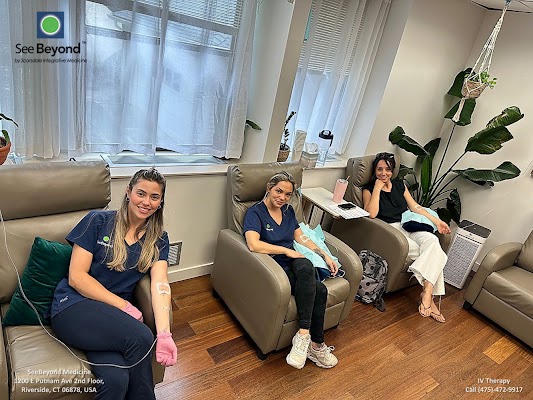
The psychosocial dimension matters. Lymphedema can carry a quiet social weight. Support groups, patient mentors, and counseling reduce isolation. When patients feel seen and supported, adherence improves. In our integrative cancer support groups, practical hacks shared by peers often beat any lecture I could give.
Choosing an integrative oncology clinic
Patients sometimes ask how to find an integrative oncology specialist who understands lymphedema. Look for a clinic with a track record of collaborative care. The integrative oncology doctor should communicate comfortably with the surgical oncologist and radiation oncologist. Certified lymphedema therapists should be on site or closely affiliated. The clinic should be candid about what is evidence based, what is promising, and what should be avoided. A thorough medication-supplement review belongs in every visit, alongside discussion of integrative oncology diet, safe exercise, and mind-body therapy options.
A good program does not promise miracles. It offers a plan, clear checkpoints, and the humility to adjust course as reality unfolds.
The bottom line
Complementary oncology for lymphedema management is not about adding more for the sake of more. It is about the right combination, in the right sequence, for the right person. Start with CDT and compression, add exercise and skin care, then layer in targeted therapies like acupuncture or photobiomodulation when they fit the clinical picture. Treat nutrition as a lever, not a doctrine. Be conservative and thoughtful with supplements. Use mind-body tools to support adherence and reduce symptom variability. Keep an eye on infection risk, and keep lines of communication open across the team.
With this integrative oncology approach, lymphedema becomes less of a daily adversary and more of a managed condition. Patients regain confidence in their bodies, and clinicians get the quiet satisfaction that comes from steady, durable progress.